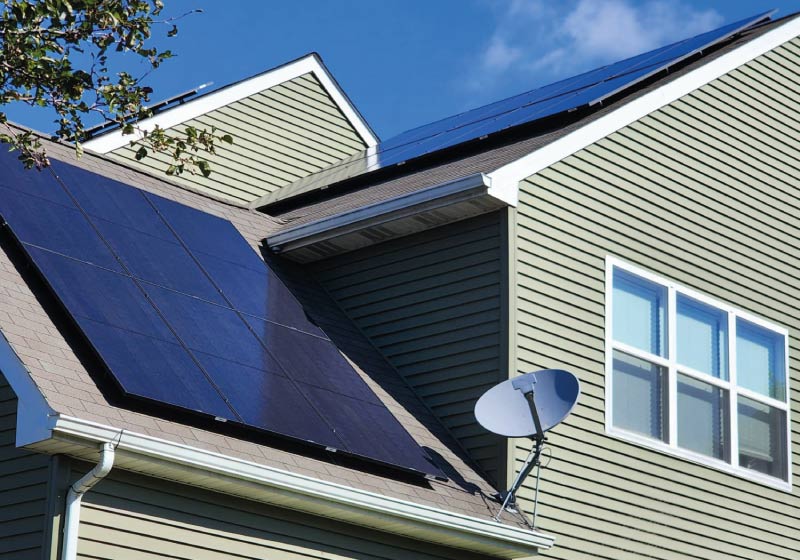
High-Efficiency Solar Panels in North Carolina
Harness the Tar Heel State’s 213 days of annual sunshine to eliminate your electric bill and secure your energy future.
Your Local Experts for Solar Panels in North Carolina
Cosmo Solaris is committed to providing turnkey energy solutions across the state. Whether you are in Charlotte, Raleigh, Greensboro, or Asheville, our team of 174 in-house employees manages every aspect of your project.
We ensure a seamless transition to clean energy, offering unmatched environmental benefits and immediate cost savings.
Maximize Your Savings: The 30% Federal Tax Credit (ITC)
The Federal Tax Credit (ITC) remains the most powerful incentive for homeowners investing in solar panels in North Carolina.
- 30% Rebate: Claim a tax credit for 30% of your total system cost (equipment and labor) on your annual tax return.
- Rollover Protection: If you don’t have enough tax liability to use the credit in one year, it rolls over to future years.
- Flexible Financing: This credit applies whether you choose a cash purchase or our popular $0-down solar financing plans.
nergy Credits for Solar Panels in North Carolina
North Carolina’s net metering policies (including the latest Bridge Rate updates) allow homeowners to get maximum value from the grid.
- Utility Partnership: We work with Duke Energy, Dominion Energy, and local Co-ops to ensure your system is properly interconnected.
- Grid Balancing: When your solar panels in North Carolina produce more power than you need, the excess is sent back to the grid in exchange for credits on your utility bill.
- Lower Monthly Costs: These credits help offset the power you pull from the grid at night, keeping your monthly expenses at an all-time low.
Smart Incentives for NC Homeowners
- Property Tax Exemption: Under North Carolina law, 80% of the appraised value of your solar system is exempt from property taxes. You get the increased home value without the tax hike.
- 30-Year Warranty: We provide a comprehensive 30-year warranty on panels, inverters, and labor. As a specialized solar company, we ensure your investment is protected for the long haul.
- In-House Installation: We don’t use subcontractors. From permitting to the final flip of the switch, our own experts handle your installation of solar panels in North Carolina.
Our Core Services

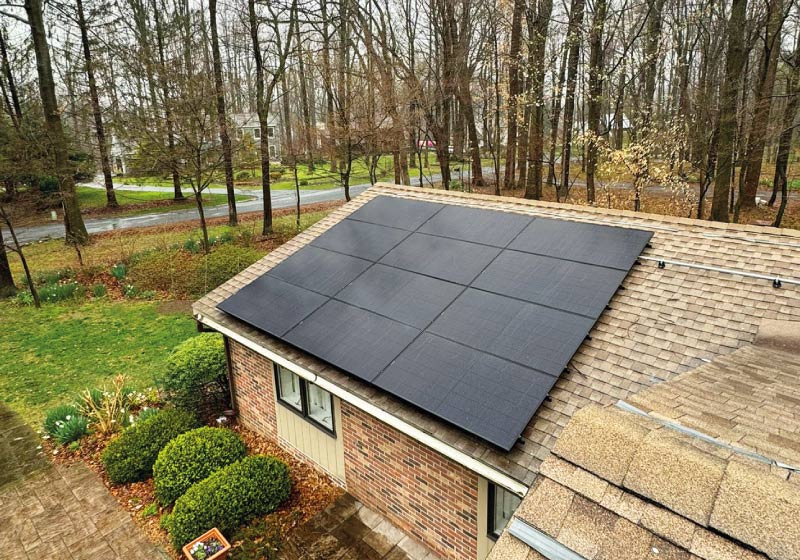
Residential Solar Panels
We empower homeowners to generate clean energy, eliminate electricity bills, and enhance property value with the best solar panels in North Carolina.
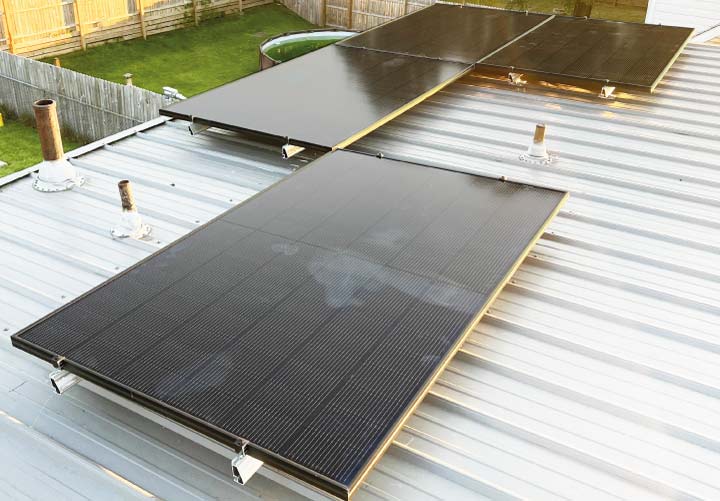
Commercial Solar Panels
We help PA businesses reduce operational overhead, increase efficiency, and meet corporate sustainability goals.
Energy Consulting
We optimize your entire energy ecosystem, from smart thermostats to battery storage, ensuring maximum ROI on your solar investment.
Ready to switch to clean, affordable energy? Contact Cosmo Solaris today to schedule your free consultation and learn how solar can save you money!”
Frequently Asked Questions
Are solar panels in North Carolina worth it in 2026?
Absolutely. With an average of 213 sunny days and rising utility rates from Duke Energy, solar panels in North Carolina typically pay for themselves within 6 to 9 years while providing 30+ years of clean power.
Does North Carolina have a solar property tax exemption?
Yes. North Carolina offers an 80% property tax abatement on the value added by a solar energy system. This means you gain significant home equity without a major increase in your tax bill.
How does Duke Energy’s net metering work for solar?
As a licensed roofing contractor, Cosmo Solaris can repair or replace your roof before installing your panels. This ensures the entire project is covered under our 30-year workmanship warranty.
What happens if my roof needs repair before solar installation?
With around 213 sunny days per year plus strong solar policies, North Carolina offers excellent energy production, lower bills, and long-term savings.
Is there a "Solar Rights" law in North Carolina?
Yes. North Carolina General Statute § 229-406 protects your right to install solar panels in North Carolina, preventing HOAs from placing “unreasonable” restrictions that would significantly decrease the system’s performance.